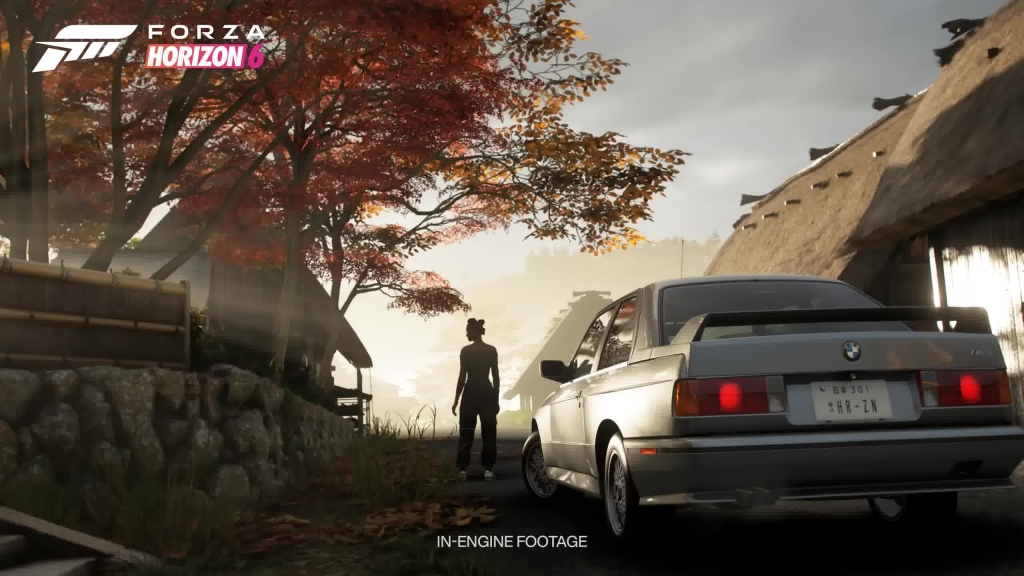
Forza Horizon 6 leans heavily into high-speed exploration, structured event progression, and a surprisingly deep endgame loop centered around unlocking hidden and high-tier vehicles. Based on early gameplay experiences, the core loop revolves around completing mixed discipline events, earning progression points, and spending them on increasingly exotic cars and upgrades.
What stands out immediately is how deliberately the game hides its best content behind layered requirements, pushing players toward completion-style gameplay rather than simple race-to-finish progression.
Core Gameplay Loop Overview
At its foundation, Forza Horizon 6 follows a structured loop:
| Stage | Activity Type | Outcome |
| 1 | Race Events (Road, Cross Country, Sprint) | Earn points |
| 2 | Accolade Progression | Unlock event tiers |
| 3 | Completion Targets | Gain access to hidden cars |
| 4 | Endgame Grind | Optimize builds + 100% completion |
A major design shift is the emphasis on accumulated points gating cars, meaning even skilled driving won’t bypass progression walls.
Event Types and Their Impact
Different event types now matter more than ever due to specific reward structures:
| Event Type | Difficulty Perception | Reward Efficiency | Player Reaction |
| Cross Country | High frustration | High reward cars | “Forced grind” |
| Road Racing | Balanced | Stable progression | Most popular |
| Sprint Events | Short & efficient | Moderate rewards | Used for farming |
| Time Trials | Technical | Bonus unlocks | Completion-focused |
Cross country events in particular are frequently cited as “necessary evil” content when chasing top-tier vehicles like the Sterrato-class unlocks.
Key Cars and Unlock Requirements
Vehicle acquisition is no longer just about credits or dealership browsing. Many high-end cars require point thresholds or event completion milestones.
| Vehicle | Unlock Requirement | Category | Notes |
| Lamborghini Sterrato | ~7,610 progression points | Off-road supercar | Strong cross-country meta pick |
| Lotus Exige Time Attack | Event completion chain | Track-focused | High handling, low stability learning curve |
| Porsche Rally Build | Mid-tier unlock | Hybrid rally | Used for grind efficiency |
| Custom Drift Truck | Challenge reward | Skill-based | Surprisingly competitive in skill chains |
The system encourages using “non-meta” vehicles simply to unlock stronger ones later.
Vehicle Tuning Meta
One of the most interesting shifts in Forza Horizon 6 is how tuning tradeoffs are less intuitive than previous entries. Some upgrades increase stats but reduce real performance consistency.
| Upgrade Type | Effect | Tradeoff |
| Twin Turbo Conversion | +Power, +Acceleration | Reduced stability |
| Rally Suspension | Better off-road grip | Lower top speed efficiency |
| Weight Reduction | Better handling response | Less durability |
| AWD Conversion | Improved control | Reduced drift potential |
| Slick Tires (off-road setups) | Mixed handling boost | Counterintuitive grip loss |
Players often discover that “higher stats ≠ better performance,” especially in cross-discipline builds.
Economy and Progression Pressure
While traditional credit systems still exist, progression is increasingly tied to layered unlock currencies and event milestones. This creates a hybrid economy where both skill and time investment matter.
In this context, players often discuss external optimization methods like FH6 Credits usage for accelerating vehicle acquisition, particularly when trying to bypass repetitive grind loops.
Some players also explore services such as Buy Forza Horizon 6 Credits to shorten the progression curve and focus directly on high-tier vehicle builds rather than repeated event farming.
Completionist Endgame Structure
The endgame is heavily structured around completion metrics:
- 3-star event mastery requirements
- Hidden event chains
- Car collection percentage tracking
- Skill chain optimization (speed traps, jumps, drift zones)
A notable design shift is that completion rewards are no longer purely cosmetic—many unlock actual competitive vehicles that alter gameplay viability.
However, this also creates friction:
- Some events must be replayed for missing stars
- Certain cars require revisiting older content
- Completion rewards sometimes feel inconsistent in value
Despite this, the loop is intentionally designed to push players back into older content with new vehicles and builds.
Driving Feel and AI Behavior
Across multiple events, several systemic behaviors stand out:
- AI can unpredictably shift difficulty mid-race pressure
- Handling physics feel more “analog” than previous entries
- Tire contact mechanics significantly affect drift stability
- Off-road builds now behave more realistically under load
A key improvement is the reduction of binary drift control behavior seen in earlier titles. Instead of instant oversteer, vehicles now transition more gradually into loss of traction.
High-Performance Build Example (Meta Off-Road Setup)
| Component | Choice | Result |
| Engine | Twin Turbo V12 | High peak power |
| Drive Type | AWD Conversion | Stability boost |
| Suspension | Rally Spec | Terrain adaptability |
| Weight | Reduced | Better responsiveness |
| Power Output | ~900–1500 HP range | Extreme acceleration variance |
This type of build is commonly used for both cross-country racing and skill farming zones.
Progression Tension: Grind vs Reward
A defining tension in Forza Horizon 6 is the balance between:
- Enjoyable driving experimentation
- Repetitive event completion loops
- High-value car gating systems
The result is a game that actively encourages “efficient farming behavior,” especially when targeting rare unlocks rather than casual exploration.
For players focused on faster progression paths, systems like FH6 Credits can indirectly reduce the reliance on repeated event grinding, shifting focus toward experimentation and tuning rather than repetition.
Summary of Core Design Identity
Forza Horizon 6 can be summarized as a hybrid between arcade racing and structured progression grinding:
- More emphasis on unlock chains than simple dealership access
- Stronger endgame completion incentives
- Deeper but less intuitive tuning systems
- Increased value placed on off-road and hybrid builds
- A progression model that rewards persistence over spontaneity
It is less about immediate access to everything, and more about gradually unlocking the full vehicle ecosystem through layered gameplay systems.