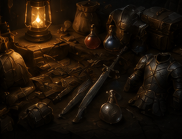
Season 10 changes the way players think about progression in Dark and Darker. When the player market is unavailable, many adventurers lose their usual shortcut to power. No quick purchases, no instant upgrades, and no easy access to perfect equipment. Instead, NPC merchants become one of the most important parts of early progression. Completing quests, improving relationships, and using crafting systems correctly can provide strong temporary gear without relying on outside resources. Understanding resource value, including how Dark and Darker Gold affects normal progression, helps players make smarter decisions during the restricted trading period.
Why NPCs Matter More Than Ever
During normal seasons, many players ignore merchants because the marketplace provides faster upgrades.
That changes completely when trading is limited.
NPCs become valuable because they provide:
- Reliable equipment sources.
- Crafting opportunities.
- Useful materials.
- Early progression rewards.
Instead of selling every random item, smart players should learn which materials and rewards have long-term value.
First Week NPC Priorities
The first week should focus on improving access to useful rewards.
Complete Basic Merchant Tasks
Early NPC quests often provide:
- Starter equipment upgrades.
- Crafting materials.
- Additional purchase options.
These rewards may not look impressive individually, but they create a strong foundation for future runs.
A player with slightly better equipment can clear faster, survive longer, and collect more valuable drops.
Best Early Crafting Strategy
Do not waste materials randomly.
The goal during the early game is creating reliable equipment, not chasing perfect rolls.
Prioritize:
| Priority | Crafting Goal | Reason |
| Weapons | Stable damage upgrades | Improves clear speed |
| Armor | Better survival stats | Reduces failed runs |
| Utility Items | More recovery options | Helps during exploration |
| Materials | Save rare components | Needed for future upgrades |
A simple upgrade that improves consistency is usually better than a risky craft.
Turning Trash Materials Into Power
Many players ignore low-value drops because they seem useless.
In an SSF-style environment, that is a mistake.
Common materials can become:
- Crafting ingredients.
- Quest requirements.
- Merchant progression items.
Everything collected during dungeon runs has potential value.
A smart player thinks about future upgrades, not just immediate profit.
How To Manage Your Inventory
Without trading, inventory management becomes extremely important.
Keep:
Rare crafting materials.
Quest items.
Useful upgrade components.
Avoid:
Holding unnecessary low-value items.
Selling materials needed later.
Filling storage with random gear.
Efficiency matters because every inventory slot represents future progression.
Long-Term Merchant Strategy
The strongest players will treat NPCs like another progression system.
Instead of depending on lucky drops, they create a reliable upgrade path:
- Complete merchant objectives.
- Unlock better options.
- Craft useful equipment.
- Improve dungeon efficiency.
This approach creates steady growth even without outside help.
Season 10 rewards players who understand systems beyond combat. NPC quests and crafting become essential tools for anyone trying to progress without market support. Players who manage resources carefully can build competitive setups through smart farming and preparation, while others may later use options like buy DnD Gold to accelerate their progression after trading restrictions change.
The biggest mistake in a no-market environment is ignoring merchants. They are not just background characters — they are your early-game equipment suppliers.